ASCII, Unicode, UTF-8: Explained Simply
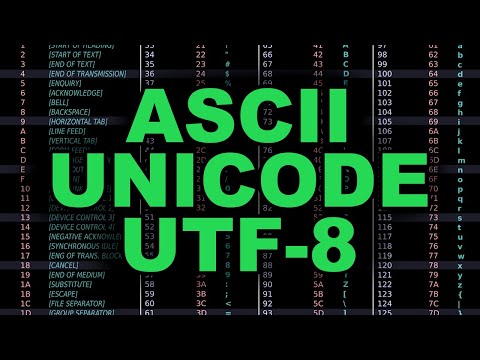
3-Second Blueprint (English)
- ASCII maps 7-bit numbers into 128 English characters and symbols (such as decimal 65 for 'A'), leaving a byte's eighth bit contested.
- Unicode covers global scripts and emojis by assigning hexadecimal code points (like U+0041 for 'A') without fixing byte storage.
- UTF-8 encodes Unicode code points into variable 1-to-4-byte sequences, staying backward-compatible with ASCII on ~98% of web pages.
ASCII (7-Bit Encoding)Unicode Code PointsUTF-8Variable-Length EncodingBackward Compatibility
3-Sekunden-Fazit (Deutsch)
- ASCII nutzt 7 Bit für 128 englische Zeichen und Symbole (etwa Dezimal 65 für ‚A‘), wobei das achte Bit eines Bytes umstritten blieb.
- Unicode umfasst weltweite Schriften und Emojis über hexadezimale Codepoints (wie U+0041 für ‚A‘), ohne die Byte-Speicherung festzulegen.
- UTF-8 kodiert Codepoints variabel in 1 bis 4 Bytes, bleibt abwärtskompatibel zu ASCII und dominiert rund 98 % aller Webseiten.
ASCII (7-Bit-Kodierung)Unicode-CodepointsUTF-8Kodierung variabler LängeAbwärtskompatibilität
Note / Hinweis: Blueprints are AI-generated educational summaries (0% Politics · 0% Religion · 0% Brainrot) and do not constitute medical, legal, or financial advice. / KI-generierte Zusammenfassung zu Bildungszwecken – ersetzt keine medizinische, rechtliche oder finanzielle Fachberatung.