How Toyota Changed The Way We Make Things
3-Second Blueprint (English)
- Faced with post-WWII scarcity, Taiichi Ohno modeled Just-In-Time production on US supermarkets, making parts only to replace used stock.
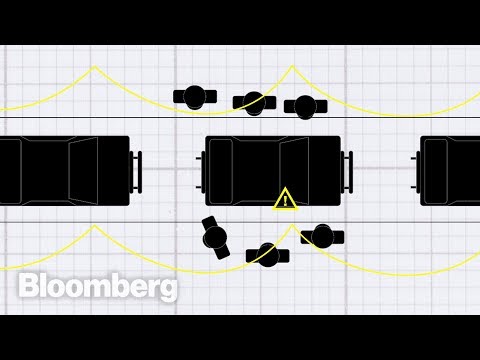
- Kanban cards tracked parts across production stages, while overhead cords let any worker stop the entire assembly line to fix defects.
- Paired with Kaizen continuous improvement, Toyota cut assembly to 1.6 man-hours per car by 1972 and inspired Lean across global industries.
Toyota Production System (TPS)Just-In-Time (JIT) Pull FlowKanban Visual SchedulingOverhead Line-Stop CordKaizen Continuous Improvement
3-Sekunden-Fazit (Deutsch)
- Aus Rohstoffmangel nach 1945 entwickelte Taiichi Ohno nach US-Supermarktvorbild Just-in-Time: Jede Stufe ersetzt nur verbrauchte Teile.
- Kanban-Karten steuerten den Materialfluss, und per Reißleine über jedem Platz konnte jeder Arbeiter das Band zur Fehlerlösung stoppen.
- Mit Kaizen senkte Toyota die Montage bis 1972 auf 1,6 Arbeitsstunden pro Auto und prägte Lean Manufacturing bis hin zu Kliniken.
Toyota-Produktionssystem (TPS)Just-in-Time-Prinzip (JIT)Kanban-MaterialsteuerungBandstopp-Leine zur FehlerlösungKaizen (stetige Verbesserung)
Note / Hinweis: Blueprints are AI-generated educational summaries (0% Politics · 0% Religion · 0% Brainrot) and do not constitute medical, legal, or financial advice. / KI-generierte Zusammenfassung zu Bildungszwecken – ersetzt keine medizinische, rechtliche oder finanzielle Fachberatung.