Pronouncing pictures! - History of Writing Systems #4 (Rebus writing)
3-Second Blueprint (English)
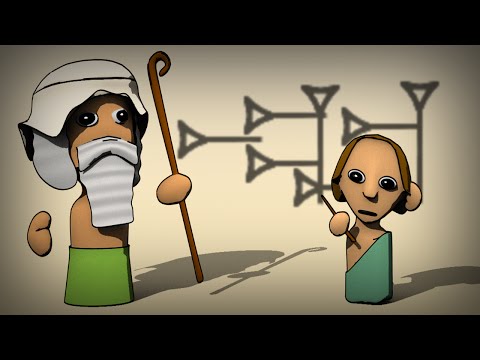
- The rebus principle repurposes meaning-based logographs for their spoken sounds instead of inventing symbols for every word.
- Aztec scribes combined glyphs for stone (te) and cactus (nochtli) to phonetically write the capital name Tenochtitlán.
- Egyptian hieroglyphs extracted consonant skeletons while Sumerian cuneiform used whole syllables, blending sound and meaning.
Rebus PrincipleLogographic WritingConsonantal ExtractionSyllabic CuneiformPhonetic vs Semantic Script
3-Sekunden-Fazit (Deutsch)
- Das Rebus-Prinzip nutzt Logogramme für ihren Lautwert, statt für jedes einzelne Wort ein neues Bedeutungszeichen zu erfinden.
- Aztekische Schreiber kombinierten die Glyphen für Stein (te) und Kaktus (nochtli), um lautlich Tenochtitlán zu schreiben.
- Ägyptische Hieroglyphen isolierten Konsonanten, während sumerische Keilschrift ganze Silben nutzte und Laut mit Sinn verband.
Rebus-PrinzipLogographische SchriftKonsonantenextraktionSilbische KeilschriftPhonetik vs. Semantik
Note / Hinweis: Blueprints are AI-generated educational summaries (0% Politics · 0% Religion · 0% Brainrot) and do not constitute medical, legal, or financial advice. / KI-generierte Zusammenfassung zu Bildungszwecken – ersetzt keine medizinische, rechtliche oder finanzielle Fachberatung.