Hydrothermal vents: Explore a bizarre deep ocean habitat
3-Second Blueprint (English)
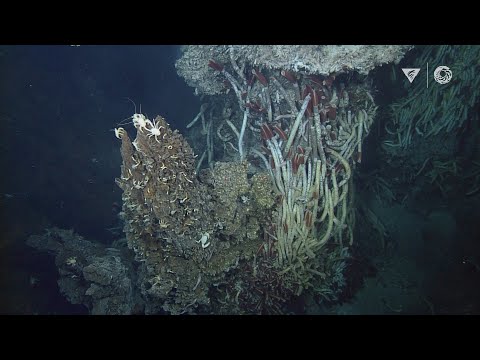
- Deep-sea hydrothermal ecosystems rely on chemosynthesis, where microbes convert vent minerals into energy without sunlight.
- Gutless Riftia pachyptila tubeworms absorb sulfides via red gill plumes to feed internal symbiotic bacteria.
- Alvinella pompejana worms wear a protective bacterial fleece and shuttle between superheated vents and cold oxygenated water.
ChemosynthesisHydrothermal VentsSymbiotic BiologyDeep-Sea ROV
3-Sekunden-Fazit (Deutsch)
- Tiefsee-Hydrothermalquellen basieren auf Chemosynthese: Mikroben gewinnen Energie aus Mineralien statt Sonnenlicht.
- Darm- und mundlose Riftia-Röhrenwürmer nehmen über rote Kiemen Mineralien auf, um symbiotische Bakterien zu ernähren.
- Pompejiwürmer tragen ein schützendes Bakterienvlies und pendeln zwischen heißem Quellwasser und kaltem Sauerstoffwasser.
ChemosyntheseHydrothermalquellenSymbioseTiefsee-ROV
Note / Hinweis: Blueprints are AI-generated educational summaries (0% Politics · 0% Religion · 0% Brainrot) and do not constitute medical, legal, or financial advice. / KI-generierte Zusammenfassung zu Bildungszwecken – ersetzt keine medizinische, rechtliche oder finanzielle Fachberatung.