Decoding Egyptian hieroglyphs (the Rosetta Stone, Champollion, and Young)
3-Second Blueprint (English)
- Discovered in 1799, the Rosetta Stone pairs parallel Greek, Demotic, and Hieroglyphic inscriptions on a single slab.
- Thomas Young showed Demotic mixes conceptual and phonetic signs for foreign names, which Champollion extended broadly.
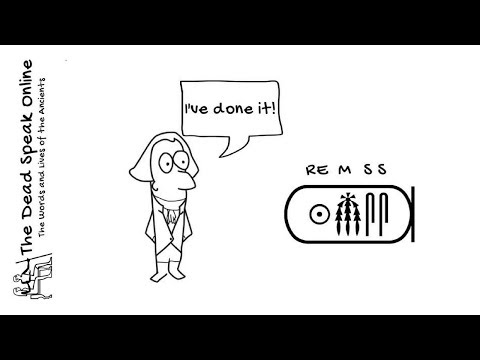
- Using Coptic vocabulary like 'mise' (birth), Champollion decoded native consonantal Egyptian royal names like Thutmose.
Rosetta StoneDemotic ScriptCoptic PhonologyRoyal Cartouches
3-Sekunden-Fazit (Deutsch)
- Der 1799 gefundene Stein von Rosette vereint denselben Text in Griechisch, Demotisch und ägyptischen Hieroglyphen.
- Thomas Young erkannte phonetische Zeichen für Fremdnamen im Demotischen, was Champollion auf Hieroglyphen übertrug.
- Über koptische Wörter wie ‚mise‘ (Geburt) entschlüsselte Champollion konsonantische Pharaonennamen wie Thutmosis.
Stein von RosetteDemotische SchriftKoptische PhonologieKönigskartuschen
Note / Hinweis: Blueprints are AI-generated educational summaries (0% Politics · 0% Religion · 0% Brainrot) and do not constitute medical, legal, or financial advice. / KI-generierte Zusammenfassung zu Bildungszwecken – ersetzt keine medizinische, rechtliche oder finanzielle Fachberatung.