Henrietta Lacks: The Woman with the Immortal Cells
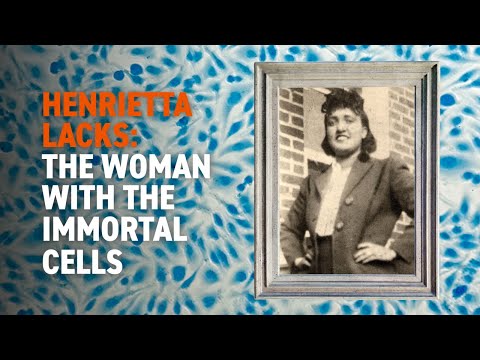
3-Second Blueprint (English)
- In 1951 at Johns Hopkins, cervical cancer cells from Henrietta Lacks became HeLa, the first human cells to divide endlessly in culture.
- Immortal HeLa cells enabled outside-the-body human experiments crucial to polio vaccines, chemotherapy, HIV/AIDS research, and IVF.
- Harvested without Lacks's consent and unknown to her family for 20 years, the case highlights core bioethical standards of patient consent.
HeLa immortalized cell lineIn vitro human cell cultureInformed consent in bioethicsHistory of medical research
3-Sekunden-Fazit (Deutsch)
- 1951 wurden Gebärmutterhalskrebszellen von Henrietta Lacks zu HeLa – der ersten menschlichen Zelllinie, die sich im Labor endlos teilte.
- Unsterbliche HeLa-Zellen ermöglichten In-vitro-Versuche für Polio-Impfstoffe, Chemotherapie, HIV/AIDS-Forschung, Klonen und IVF.
- Da die Entnahme ohne Einwilligung erfolgte und der Familie 20 Jahre unbekannt blieb, prägte der Fall die moderne Medizinethik.
Unsterbliche HeLa-ZelllinieMenschliche In-vitro-ZellkulturInformierte EinwilligungGeschichte der Medizinethik
Note / Hinweis: Blueprints are AI-generated educational summaries (0% Politics · 0% Religion · 0% Brainrot) and do not constitute medical, legal, or financial advice. / KI-generierte Zusammenfassung zu Bildungszwecken – ersetzt keine medizinische, rechtliche oder finanzielle Fachberatung.